At times, what we are searching for is nothing other than our own past—a past that continues to live within us, even when we are not always aware of its presence. Perhaps what remains of that past is not merely a memory of events, but something of the selves we have lived through over time: selves that each perceived the world differently and left something of their experience within us.
This past does not always return at our bidding. Sometimes, something we encounter unexpectedly awakens a feeling we believed we had forgotten. At such a moment, the past enters the present not as a distant image, but with something of the immediacy of its original presence.
The senses are our first means of contact with the external world. Yet what we simply call the ‘senses’ is neither fixed nor equally developed in all of us. There are those for whom changes in their surroundings produce scarcely any response in body or mind, and others in whom the slightest change in the outside world reverberates through the depths of their being.
Perhaps forgetting, too, sometimes begins here: with the fading of our connection to the sensory world and the distance that gradually grows between us and our lived experiences. At that point, voluntary memory can do no more. And yet what we cannot consciously summon may come alive within us again through an unforeseen encounter.
In such an experience, time is no longer a simple succession of moments. The past has not vanished behind the present; rather, it remains concealed within its layers. Sometimes a single encounter is enough to dissolve the distance between two moments, allowing a feeling that belonged to another time to become present once more. But what returns is not necessarily identical to what we once experienced, for we, too, have changed in the interval.
Perhaps only with the passage of time can we grasp the meaning of an experience that was not yet apparent to us when it occurred. What once seemed merely a fleeting sensation may, years later, acquire a new meaning through another encounter. It is as though time, even as it distances us from our experiences, also makes it possible to understand them more deeply.
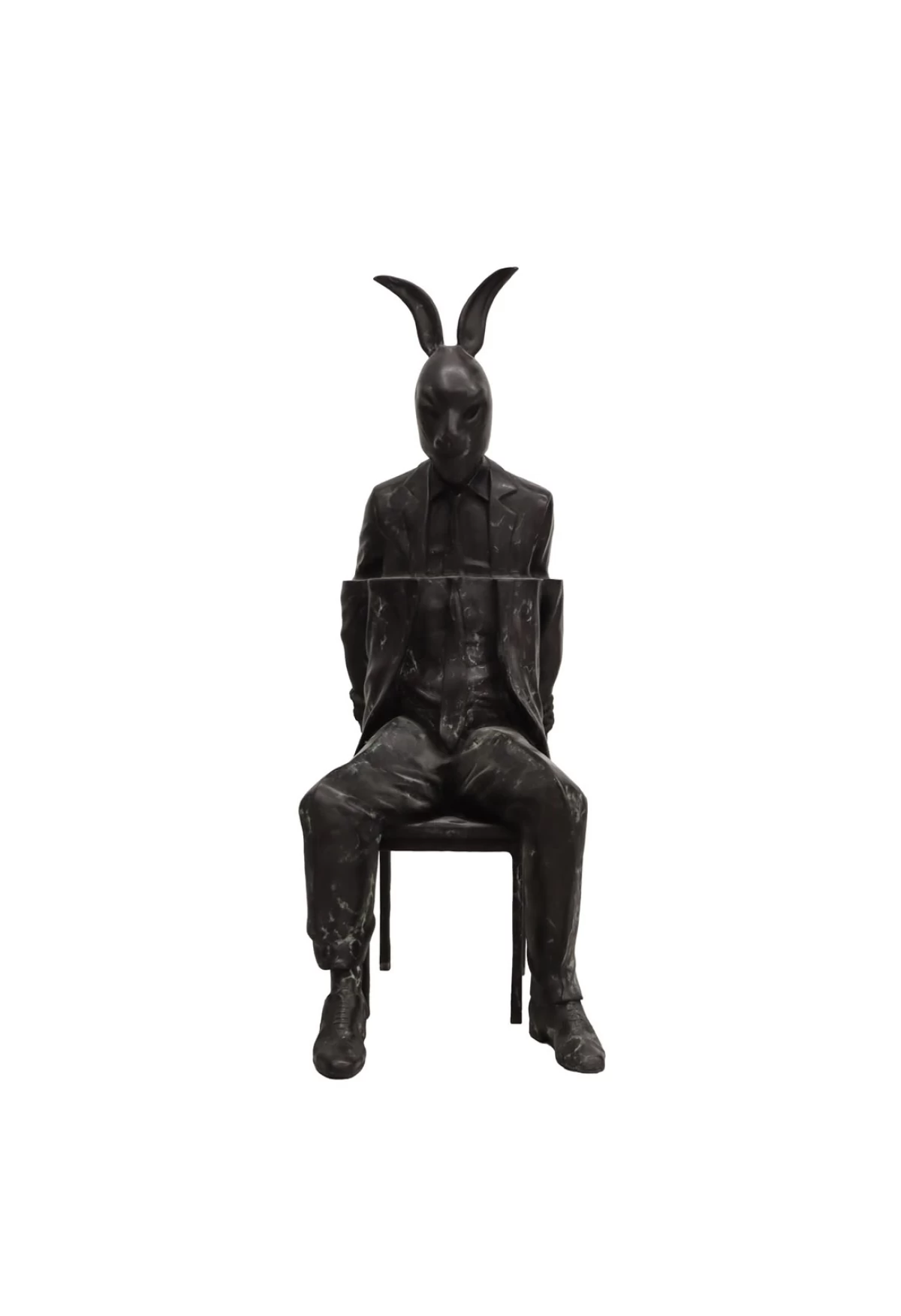
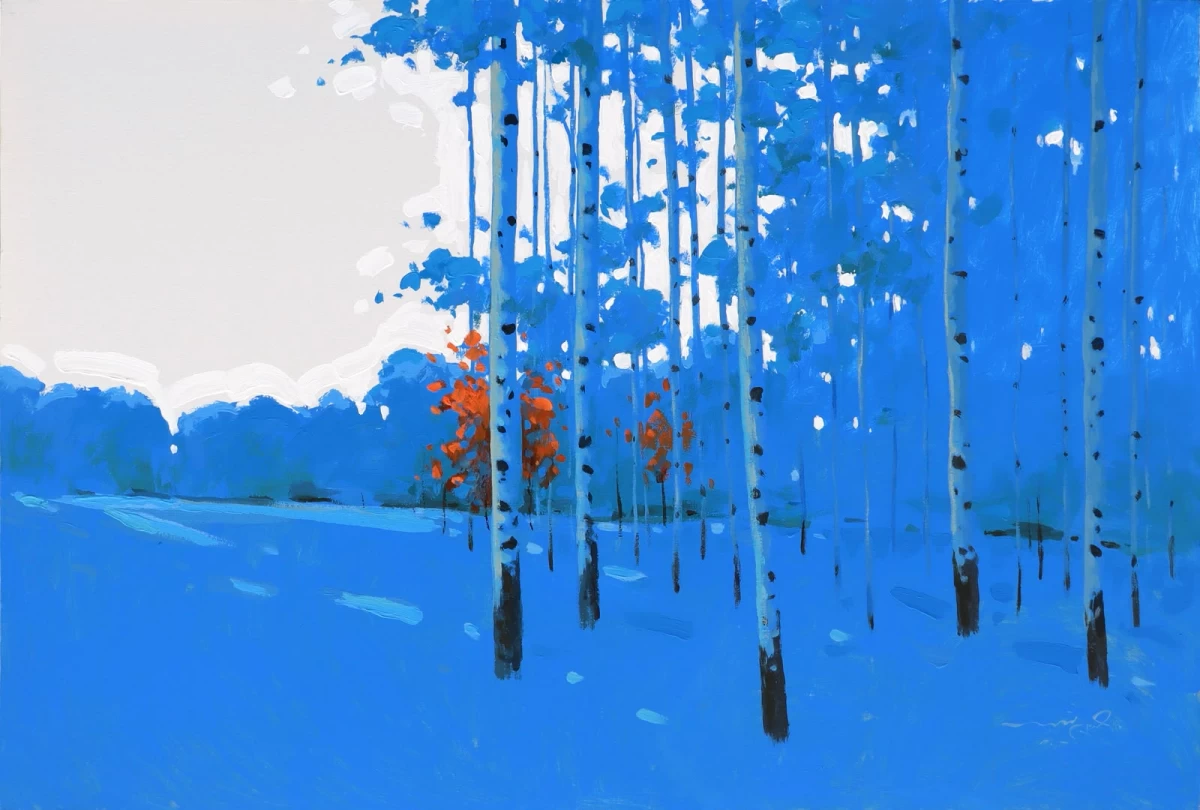
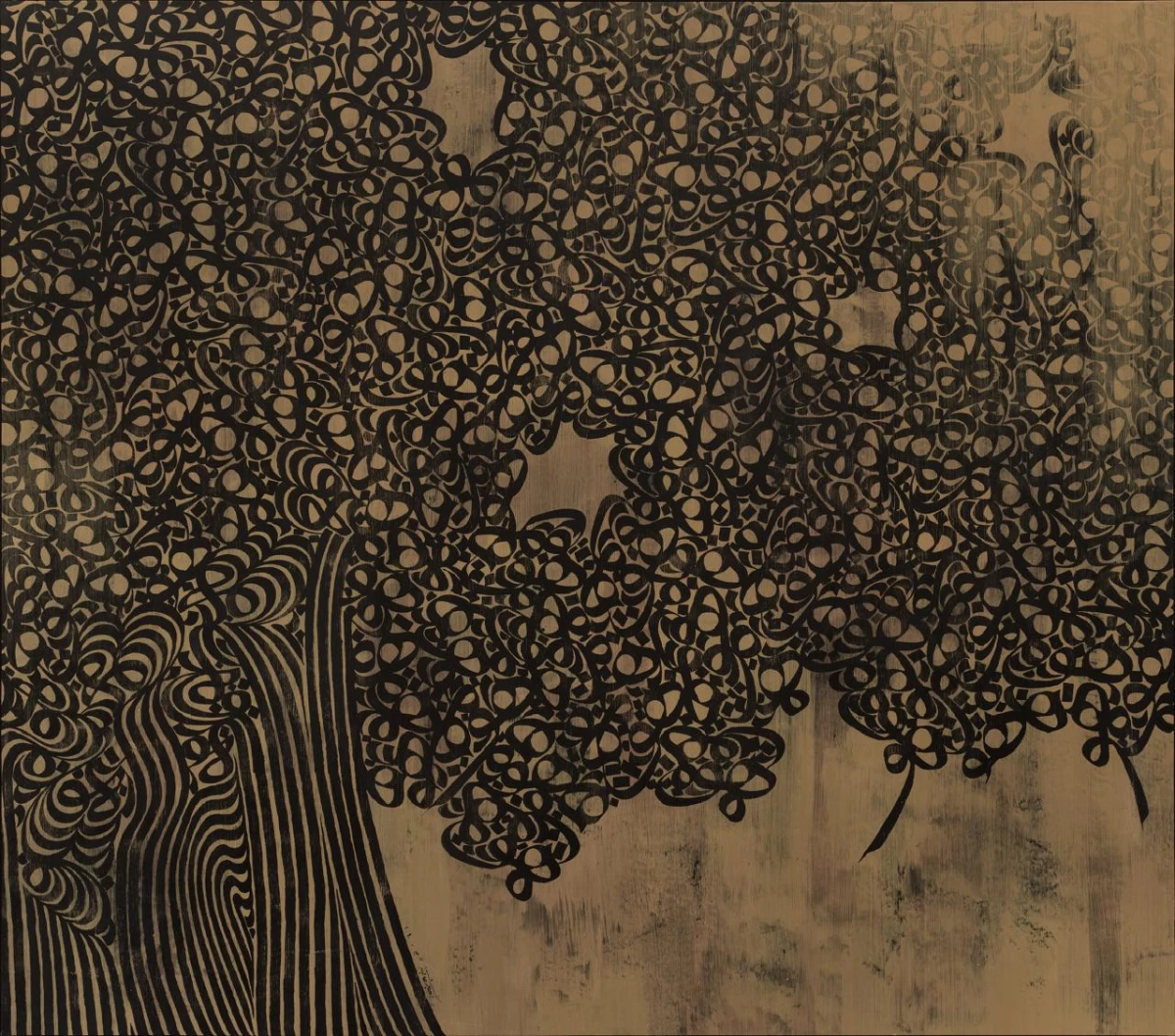
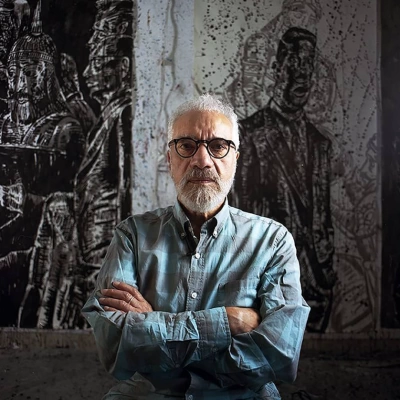
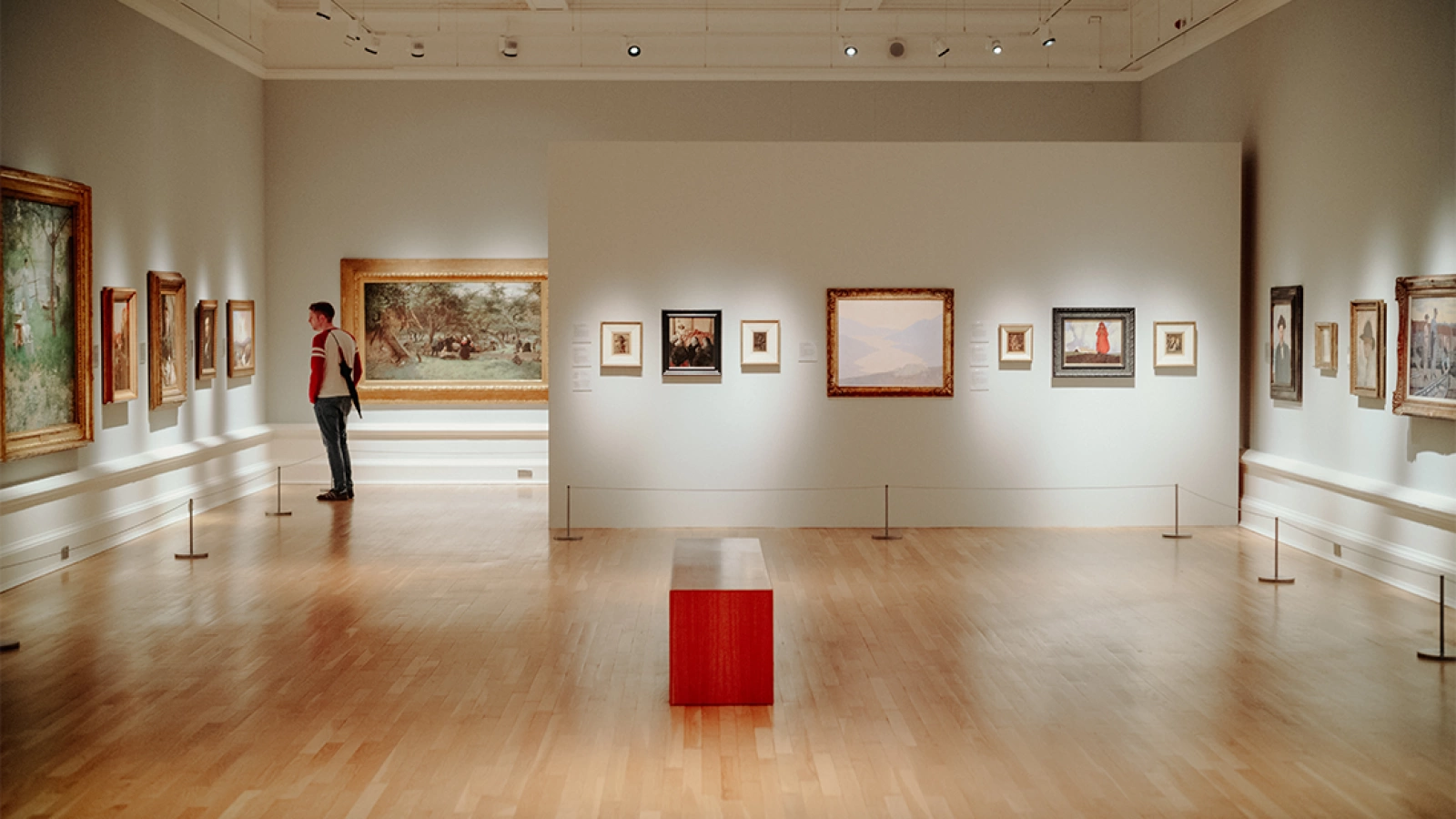
My criteria for selecting the works in this collection have gone beyond the technique of the work and the artist’s mastery. What has mattered in choosing them is a certain aesthetic and meaningful continuity—a continuity arising not necessarily from similarities among the works, but from the relationship each establishes with my lived experiences.
Each work belongs to a particular time in my life: to the moment I encountered it, to the feeling it stirred in me, and perhaps to something I was not yet able to recognize at the time. As time passes, the same work may reveal something different to me—not necessarily because the meaning of the work has changed, but because the person I am today is no longer the same ‘I’ who first encountered it.
In the world of his novel, Marcel Proust brings us face to face with successive selves: selves that change over time without the traces of their presence ever entirely disappearing. Each of us carries the experiences of the selves we once were, selves of which we can now recognize only certain traces within ourselves.
From this perspective, the continuity among the works in the collection is, for me, a connection between these successive selves. Each work can reawaken something of my lived self that has slipped beyond conscious reach over time—not simply to remind me of who I once was, but to help me understand what that experience has left within me.
Perhaps it is here that the meaning of Rumi’s words becomes clear: what we seek in the outside world is sometimes something within ourselves that we have yet to recognize. In this sense, the search for a work of art—without diminishing the work’s independent reality—can also become a search within oneself.
Yet what I seek in this return is neither simply the past nor the recreation of a self I once was. Perhaps essence lies in the relationship that emerges between what I have felt, what I have forgotten, and what I am now able to recognize—a relationship that can reveal itself only through the passage of time.
And so I set out in search of my own forgotten essence.